 fde4cc2a31
This is heavily based on CL 341336 by Joe Tsai and CL 351452 by Jay Conrod. T.Run and T.Name use a map[string]int64 to hold the next suffix to use when duplicate names are passed to T.Run. This map necessarily retains one entry per unique name. However, it's a waste of memory to retain one entry per duplicate name: when we encounter the Nth duplicate, we know that names 00 through N-1 have been used just by looking at N. We do still need to store (and check for collisions againsts) explicit names provided by the caller. For example, if the user passes in "a", then "a#01", then "a" again, we cannot deduplicate the second "a" to "a#01" — we need to instead skip ahead to "a#02". We can do so by checking the count of "a", then generating a proposed deduplicated name, then double-checking that proposed name against only the explicit names so far. This somewhat reduces memory usage for tests that spawn large numbers of duplicate subtests, but doesn't solve the problem of memory growth for fuzzing — we still have to track all of the explicit, user-provided subtest names, and in a long-running fuzz test that set alone may be unbounded. This fixes memory growth for the example described in https://golang.org/issue/44517#issuecomment-897104060, but not the one in https://golang.org/issue/44517#issuecomment-933825661. For #44517 Change-Id: Ia159ecfcf44561ba67508d3af6377c27856df31d Reviewed-on: https://go-review.googlesource.com/c/go/+/354749 Trust: Bryan C. Mills <bcmills@google.com> Run-TryBot: Bryan C. Mills <bcmills@google.com> TryBot-Result: Go Bot <gobot@golang.org> Reviewed-by: Ian Lance Taylor <iant@golang.org> Reviewed-by: Emmanuel Odeke <emmanuel@orijtech.com> Reviewed-by: Jay Conrod <jayconrod@google.com> |
||
|---|---|---|
| .github | ||
| api | ||
| doc | ||
| lib/time | ||
| misc | ||
| src | ||
| test | ||
| .gitattributes | ||
| .gitignore | ||
| AUTHORS | ||
| CONTRIBUTING.md | ||
| CONTRIBUTORS | ||
| LICENSE | ||
| PATENTS | ||
| README.md | ||
| SECURITY.md | ||
| codereview.cfg | ||
README.md
The Go Programming Language
Go is an open source programming language that makes it easy to build simple, reliable, and efficient software.
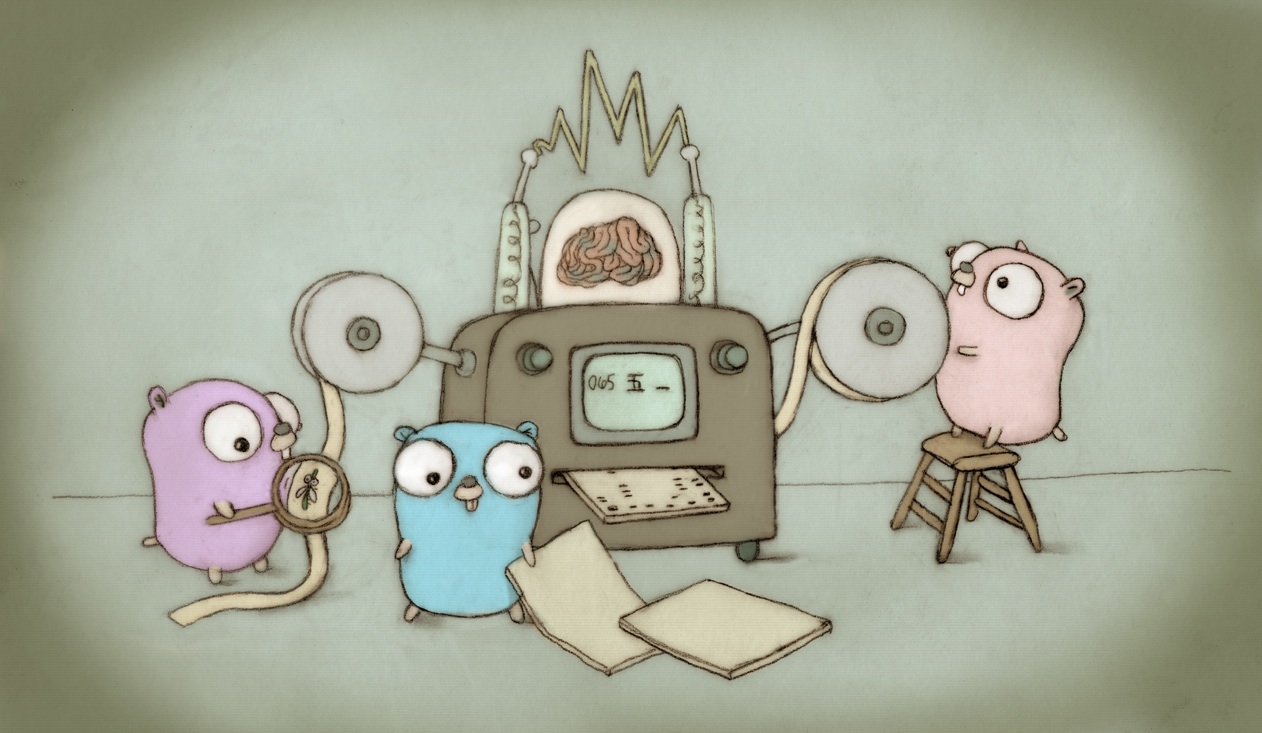 Gopher image by Renee French, licensed under Creative Commons 3.0 Attributions license.
Our canonical Git repository is located at https://go.googlesource.com/go. There is a mirror of the repository at https://github.com/golang/go.
Unless otherwise noted, the Go source files are distributed under the BSD-style license found in the LICENSE file.
Download and Install
Binary Distributions
Official binary distributions are available at https://golang.org/dl/.
After downloading a binary release, visit https://golang.org/doc/install for installation instructions.
Install From Source
If a binary distribution is not available for your combination of operating system and architecture, visit https://golang.org/doc/install/source for source installation instructions.
Contributing
Go is the work of thousands of contributors. We appreciate your help!
To contribute, please read the contribution guidelines at https://golang.org/doc/contribute.
Note that the Go project uses the issue tracker for bug reports and proposals only. See https://golang.org/wiki/Questions for a list of places to ask questions about the Go language.