 8a27154bcd
- Build cmd with CGO_ENABLED=0. Doing so removes the C compiler toolchain from the reproducibility perimeter and also results in cmd/go and cmd/pprof binaries that are statically linked, so that they will run on a wider variety of systems. In particular the Linux versions will run on Alpine and NixOS without needing a simulation of libc.so.6. The potential downside of disabling cgo is that cmd/go and cmd/pprof use the pure Go network resolver instead of the host resolver on Unix systems. This means they will not be able to use non-DNS resolver mechanisms that may be specified in /etc/resolv.conf, such as mDNS. Neither program seems likely to need non-DNS names like those, however. macOS and Windows systems still use the host resolver, which they access without cgo. - Build cmd with -trimpath when building a release. Doing so removes $GOPATH from the file name prefixes stored in the binary, so that the build directory does not leak into the final artifacts. - When CC and CXX are empty, do not pick values to hard-code into the source tree and binaries. Instead, emit code that makes the right decision at runtime. In addition to reproducibility, this makes cross-compiled toolchains work better. A macOS toolchain cross-compiled on Linux will now correctly look for clang, instead of looking for gcc because it was built on Linux. - Convert \ to / in file names stored in .a files. These are converted to / in the final binaries, but the hashes of the .a files affect the final build ID of the binaries. Without this change, builds of a Windows toolchain on Windows and non-Windows machines produce identical binaries except for the input hash part of the build ID. - Due to the conversion of \ to / in .a files, convert back when reading inline bodies on Windows to preserve output file names in error messages. Combined, these four changes (along with Go 1.20's removal of installed pkg/**.a files and conversion of macOS net away from cgo) make the output of make.bash fully reproducible, even when cross-compiling: a released macOS toolchain built on Linux or Windows will contain exactly the same bits as a released macOS toolchain built on macOS. The word "released" in the previous sentence is important. For the build IDs in the binaries to work out the same on both systems, a VERSION file must exist to provide a consistent compiler build ID (instead of using a content hash of the binary). For #24904. Fixes #57007. Change-Id: I665e1ef4ff207d6ff469452347dca5bfc81050e6 Reviewed-on: https://go-review.googlesource.com/c/go/+/454836 Reviewed-by: Bryan Mills <bcmills@google.com> Run-TryBot: Russ Cox <rsc@golang.org> Auto-Submit: Russ Cox <rsc@golang.org> TryBot-Result: Gopher Robot <gobot@golang.org> |
||
|---|---|---|
| .github | ||
| api | ||
| doc | ||
| lib/time | ||
| misc | ||
| src | ||
| test | ||
| .gitattributes | ||
| .gitignore | ||
| CONTRIBUTING.md | ||
| LICENSE | ||
| PATENTS | ||
| README.md | ||
| SECURITY.md | ||
| codereview.cfg | ||
README.md
The Go Programming Language
Go is an open source programming language that makes it easy to build simple, reliable, and efficient software.
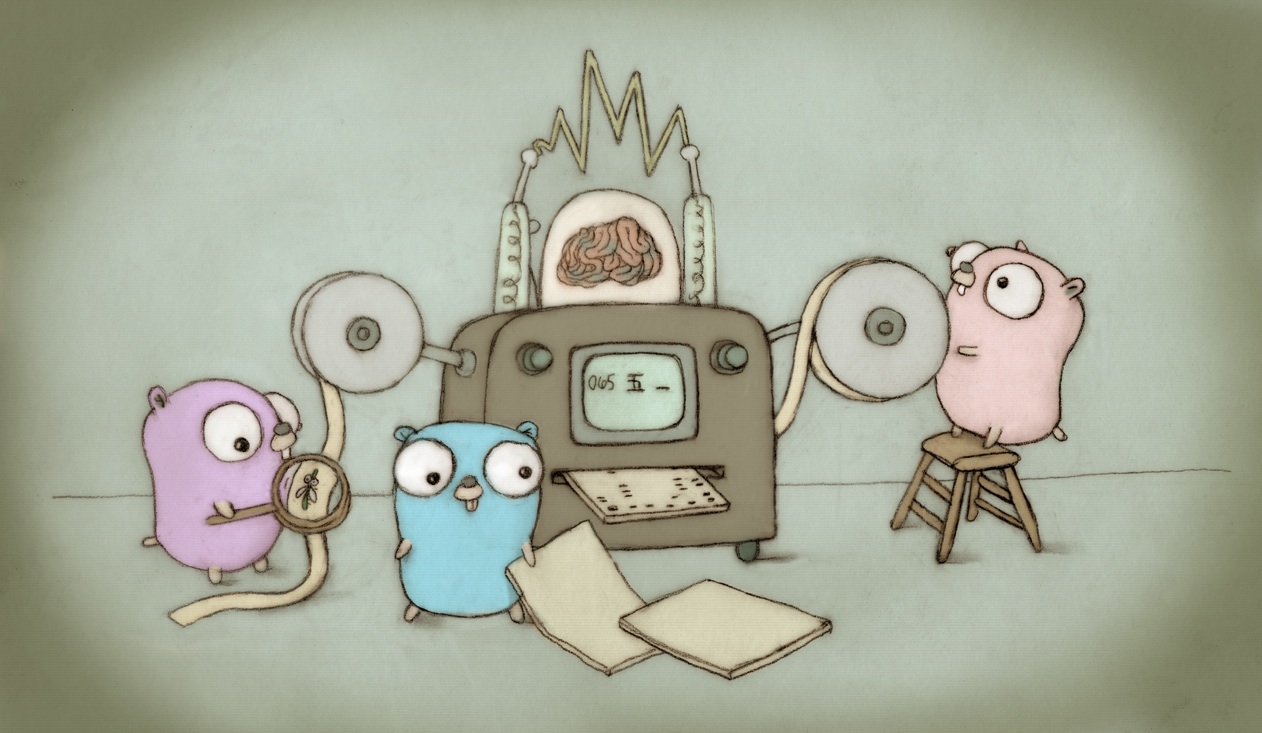 Gopher image by Renee French, licensed under Creative Commons 4.0 Attributions license.
Our canonical Git repository is located at https://go.googlesource.com/go. There is a mirror of the repository at https://github.com/golang/go.
Unless otherwise noted, the Go source files are distributed under the BSD-style license found in the LICENSE file.
Download and Install
Binary Distributions
Official binary distributions are available at https://go.dev/dl/.
After downloading a binary release, visit https://go.dev/doc/install for installation instructions.
Install From Source
If a binary distribution is not available for your combination of operating system and architecture, visit https://go.dev/doc/install/source for source installation instructions.
Contributing
Go is the work of thousands of contributors. We appreciate your help!
To contribute, please read the contribution guidelines at https://go.dev/doc/contribute.
Note that the Go project uses the issue tracker for bug reports and proposals only. See https://go.dev/wiki/Questions for a list of places to ask questions about the Go language.