 3ff868f2f5
This change implements executable caching. It always caches the outputs of link steps used by go run. To do so we need to make a few changes: The first is that we want to cache binaries in a slightly different location than we cache other outputs. The reason for doing so is so that the name of the file could be the name of the program built. Instead of placing the files in $GOCACHE/<two digit prefix>/<hash>-d, we place them in $GOCACHE/<two digit prefix>/<hash>-d/<executable name>. This is done by adding a new function called PutExecutable that works differently from Put in two ways: first, it causes the binaries to written 0777 rather than 0666 so they can be executed. Second, PutExecutable also writes its outputs to a new location in a directory with the output id based name, with the file named based on p.Internal.ExeName or otherwise the base name of the package (plus the .exe suffix on Windows). The next changes are for writing and reading binaries from the cache. In cmd/go/internal/work.updateBuildID, which updates build ids to the content based id and then writes outputs to the cache, we first make the change to always write the content based id into a binary. This is because we won't be throwing the binaries away after running them. Then, if the action is a link action, and we enabled excutable caching for the action, we write the output to the binary cache. When reading binaries, in the useCache function, we switch to using the binary cache, and we also print the cached link outputs (which are stored using the build action's action id). Finally, we change go run to execute the built output from the cache. The support for caching tools defined in a module that are run by go tool will also use this functionality. Fixes #69290 For #48429 Change-Id: Ic5f1d3b29d8e9786fd0d564460e3a5f53e951f41 Reviewed-on: https://go-review.googlesource.com/c/go/+/613095 Reviewed-by: Ian Lance Taylor <iant@golang.org> Reviewed-by: Alan Donovan <adonovan@google.com> LUCI-TryBot-Result: Go LUCI <golang-scoped@luci-project-accounts.iam.gserviceaccount.com> |
||
|---|---|---|
| .github | ||
| api | ||
| doc | ||
| lib | ||
| misc | ||
| src | ||
| test | ||
| .gitattributes | ||
| .gitignore | ||
| CONTRIBUTING.md | ||
| LICENSE | ||
| PATENTS | ||
| README.md | ||
| SECURITY.md | ||
| codereview.cfg | ||
| go.env | ||
README.md
The Go Programming Language
Go is an open source programming language that makes it easy to build simple, reliable, and efficient software.
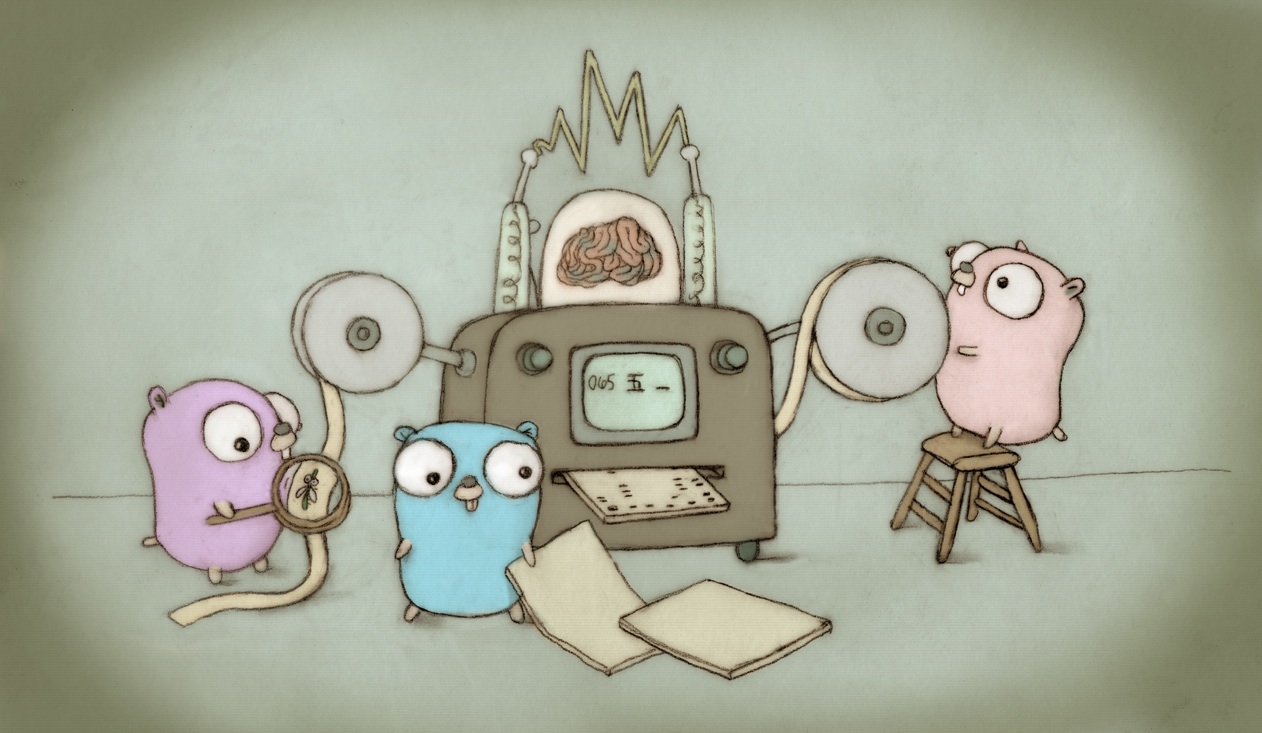 Gopher image by Renee French, licensed under Creative Commons 4.0 Attribution license.
Our canonical Git repository is located at https://go.googlesource.com/go. There is a mirror of the repository at https://github.com/golang/go.
Unless otherwise noted, the Go source files are distributed under the BSD-style license found in the LICENSE file.
Download and Install
Binary Distributions
Official binary distributions are available at https://go.dev/dl/.
After downloading a binary release, visit https://go.dev/doc/install for installation instructions.
Install From Source
If a binary distribution is not available for your combination of operating system and architecture, visit https://go.dev/doc/install/source for source installation instructions.
Contributing
Go is the work of thousands of contributors. We appreciate your help!
To contribute, please read the contribution guidelines at https://go.dev/doc/contribute.
Note that the Go project uses the issue tracker for bug reports and proposals only. See https://go.dev/wiki/Questions for a list of places to ask questions about the Go language.