 07ff596404
As a follow up to an earlier change[1] to add ARMv8+LSE instructions in
the compiler generated atomic intrinsics, make the same change in the
runtime library. Since not all ARMv8 systems support LSE instructions,
they are protected by a feature-flag branch.
[1]: golang.org/cl/234217 commit:
|
||
|---|---|---|
| .github | ||
| api | ||
| doc | ||
| lib/time | ||
| misc | ||
| src | ||
| test | ||
| .gitattributes | ||
| .gitignore | ||
| AUTHORS | ||
| CONTRIBUTING.md | ||
| CONTRIBUTORS | ||
| LICENSE | ||
| PATENTS | ||
| README.md | ||
| SECURITY.md | ||
| codereview.cfg | ||
README.md
The Go Programming Language
Go is an open source programming language that makes it easy to build simple, reliable, and efficient software.
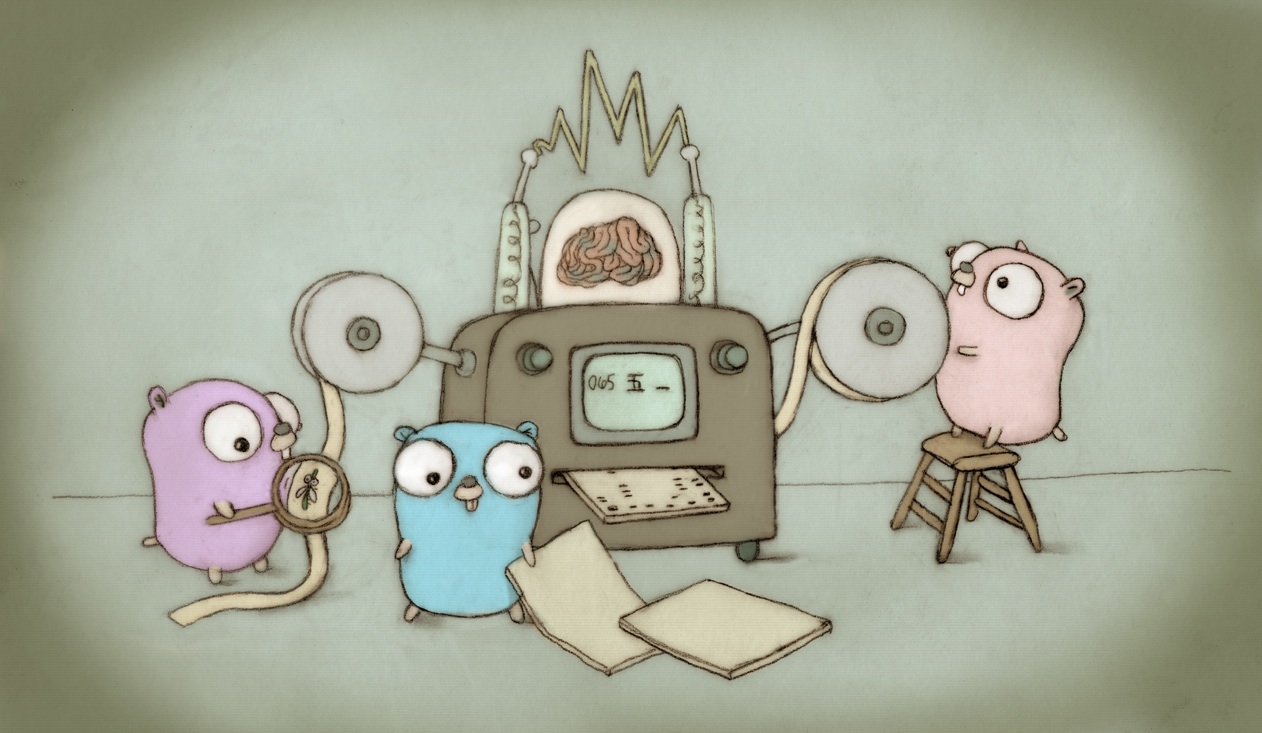 Gopher image by Renee French, licensed under Creative Commons 3.0 Attributions license.
Our canonical Git repository is located at https://go.googlesource.com/go. There is a mirror of the repository at https://github.com/golang/go.
Unless otherwise noted, the Go source files are distributed under the BSD-style license found in the LICENSE file.
Download and Install
Binary Distributions
Official binary distributions are available at https://golang.org/dl/.
After downloading a binary release, visit https://golang.org/doc/install for installation instructions.
Install From Source
If a binary distribution is not available for your combination of operating system and architecture, visit https://golang.org/doc/install/source for source installation instructions.
Contributing
Go is the work of thousands of contributors. We appreciate your help!
To contribute, please read the contribution guidelines at https://golang.org/doc/contribute.html.
Note that the Go project uses the issue tracker for bug reports and proposals only. See https://golang.org/wiki/Questions for a list of places to ask questions about the Go language.